
Piper Aircraft Interiors
- Piper Cub Series (PA-11, PA-18, PA-19)
- Cherokee 140/150/160 Series (PA-28-140/150/160)
- Cherokee 180/235 Series (PA-28-180/235)
- Warrior Series (PA-28-161)
- Archer Series (PA-28-181)
- Dakota Series (PA-28-236)
- Arrow Series (PA-28R)
- Comanche Series (PA-24)
- Cherokee Six/Saratoga Series (PA-32)
- Lance Series (PA-32R)
- Malibu Series (PA-46)
- Meridian Series (PA-46-500TP)
- Matrix Series (PA-46-350P)
- M-Class Series (M350, M500, M600/SLS, M700 Fury)
- TWIN-ENGINE PISTON AIRCRAFT
- TURBOPROP AIRCRAFT
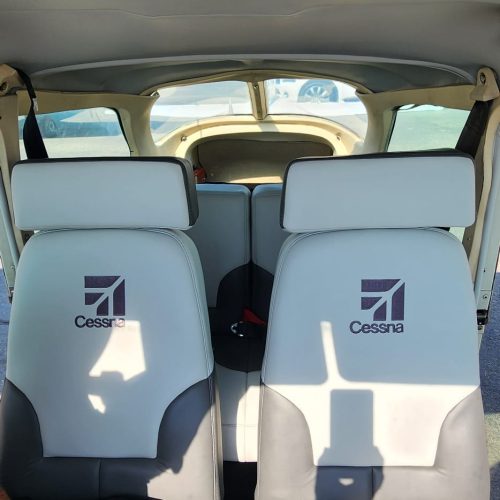
Restoring the interior of a Cessna aircraft can breathe new life into an aging plane, enhancing both its aesthetics and functionality. Whether you’re looking to update a worn interior or completely transform your aircraft‘s cabin, a well-planned restoration can significantly improve your flying experience and potentially increase your plane’s value.

Classic Cub Family (PA-11, PA-18, PA-19)
The Legend of Aviation – The J-3 Cub and its descendants taught more people to fly than any other aircraft family. The PA-18 Super Cub became the ultimate backcountry aircraft, equally at home on wheels, skis, or floats. Built like tanks for harsh conditions, these taildraggers feature spartan, functional interiors designed for utility over comfort. Still in production today, they remain the gold standard for bush flying and primary training.
Cherokee 140/150/160 Series (PA-28-140/150/160)
The Training Workhorses – These basic Cherokee variants became the backbone of flight training worldwide. Simple, rugged, and forgiving, they handle student pilot abuse while remaining economical to operate. The 140 variant was specifically designed for flight schools, featuring simplified systems and durable construction. Interiors emphasize durability over luxury, with materials chosen to withstand the rigors of primary flight training.
Warrior Series (PA-28-161)
The Modern Trainer – Updated Cherokee variant featuring improved aerodynamics with the “Hershey Bar” wing replaced by a tapered design. Popular with modern flight schools for its enhanced performance and updated systems. The Warrior bridges classic Cherokee reliability with contemporary training needs. Interiors focus on ergonomic improvements while maintaining the durability required for training environments.
Archer Series (PA-28-181)
The Contemporary Classic – Currently in production, the Archer represents the evolution of the Cherokee line for modern training and personal flying. Available in multiple variants (DX, LX, TX) to serve different market segments from basic VFR training to advanced IFR instruction. Modern interiors with updated materials and ergonomics while retaining the Cherokee family’s reputation for reliability and ease of maintenance.
Dakota Series (PA-28-236)
The High-Performance Cherokee – The largest-engine variant of the fixed-gear Cherokee family, offering near-retractable performance with fixed-gear simplicity. Popular with pilots who want speed and load-carrying ability without the complexity and insurance costs of retractable gear. Interiors typically feature more luxurious appointments reflecting its position as a serious cross-country aircraft.
Arrow Series (PA-28R)
The Complex Trainer – Piper’s retractable-gear Cherokee variant became the standard for complex aircraft training. The Arrow introduced countless pilots to retractable landing gear, constant-speed propellers, and complex aircraft systems. Essential for commercial pilot training, the Arrow balances performance with Cherokee family docility. Interiors emphasize instructor/student needs while providing the comfort expected in higher-performance aircraft.
Comanche Series (PA-24)
The Speed Demon – Piper’s first all-metal, high-performance single that competed directly with the Bonanza and Cessna 210. Known for exceptional speed and sleek looks, the Comanche attracted pilots who prioritized performance. The line ended after Hurricane Agnes destroyed the factory, making them increasingly collectible. Interiors featured sport-luxury appointments appropriate for their high-performance mission and affluent owners.
Cherokee Six/Saratoga Series (PA-32)
The Flying Station Wagon – Piper’s answer to the need for true six-seat capability, the Cherokee Six family offers genuine load-carrying ability with spacious cabins and large doors. The Saratoga evolution added modern styling and updated systems while maintaining the basic utility that made the Cherokee Six popular. Perfect for large families or businesses needing to transport people and equipment. Interiors range from utilitarian to executive depending on variant and mission.
Lance Series (PA-32R)
The High-Performance Hauler – Retractable-gear version of the Cherokee Six, offering excellent speed with six-seat capability. The Lance fills the gap between the Arrow and pressurized singles, providing serious cross-country performance with room for passengers and baggage. Popular with businesses and affluent families needing speed and space. Interiors typically feature premium appointments reflecting their upscale market position.
Malibu Series (PA-46)
The Pressurized Pioneer – Piper’s revolutionary entry into pressurized single-engine aviation, offering jet-like cabin comfort and high-altitude capability. The original Malibu established the template for high-performance pressurized singles that continues today with the M-Class. These aircraft attract pilots who want airline-like performance without the complexity and cost of twin-engine aircraft. Interiors feature business jet-style appointments with executive comfort and advanced systems integration.
Meridian Series (PA-46-500TP)
The Turbine Transition – Piper’s first single-engine turboprop, offering turbine reliability and performance in a familiar airframe. The Meridian provides an excellent stepping stone from piston to turbine aircraft, with single-pilot capability and manageable operating costs. Popular with owner-pilots upgrading from piston aircraft and small charter operations. Interiors feature turbine-class luxury with advanced avionics integration.
Matrix Series (PA-46-350P)
The Unpressurized Alternative – Malibu airframe without pressurization, offering high performance with reduced complexity and operating costs. Appeals to pilots who want M-Class performance without pressurization requirements and associated insurance and training mandates. Provides access to Piper’s flagship airframe at a more accessible price point. Interiors mirror M-Class appointments without pressurization-specific features.
M-Class Series (M350, M500, M600/SLS, M700 Fury)
The Modern Flagships – Piper’s current top-of-the-line aircraft representing the evolution of 40 years of pressurized single-engine development. From the piston M350 through the flagship M700 Fury turboprop, these aircraft compete directly with light jets while offering single-engine simplicity. The M600 SLS features groundbreaking Garmin Autoland technology. Interiors showcase state-of-the-art luxury with advanced technology integration and premium materials throughout.
TWIN-ENGINE PISTON AIRCRAFT
Apache Series (PA-23)
The Twin Pioneer – Piper’s first twin-engine aircraft, introducing the company to multi-engine aviation in 1954. Known for being one of the first aircraft associated with “air taxi” operations, though later superseded by faster, more spacious designs. The Apache established Piper’s presence in the twin market and introduced many pilots to multi-engine flying. Interiors were basic but functional, designed for utility rather than luxury.
Aztec Series (PA-23-250)
The Reliable Workhorse – Evolution of the Apache with more power and improved capability, the Aztec became a mainstay of air taxi, charter, and business aviation. Known for solid construction, reliable operation, and good load-carrying ability. The Aztec family served faithfully for over 20 years in various commercial and private roles. Interiors ranged from basic air taxi configurations to executive appointments depending on mission.
Twin Comanche Series (PA-30/39)
The Efficient Performer – Based on the successful Comanche single, the Twin Comanche offered twin-engine safety with excellent fuel efficiency. Though somewhat underpowered compared to larger twins, it provided an economical entry into twin-engine flying. The counter-rotating variant (PA-39) improved handling characteristics. Popular with cost-conscious operators who needed twin-engine capability. Interiors reflected Comanche luxury adapted for twin-engine missions.
Navajo Series (PA-31)
The Cabin-Class Standard – Piper’s first true cabin-class twin, offering spacious accommodations and genuine business aircraft capability. The Navajo family became the backbone of many charter operations and corporate flight departments. Various models served different needs from basic passenger transport to high-altitude pressurized operation. Represents Piper’s serious entry into business aviation. Interiors range from airline-style passenger configurations to executive business layouts.
Pressurized Navajo Series (PA-31P)
The High-Altitude Business Twin – Pressurized version of the Navajo offering jet-like cabin comfort and high-altitude capability. Provided an alternative to early business jets with lower operating costs and greater airport accessibility. Popular with businesses needing to operate over mountains or weather while maintaining cabin comfort. Interiors featured business jet-influenced appointments with pressurized cabin amenities.
Chieftain Series (PA-31-350)
The Commuter King – Stretched Navajo variant designed specifically for commuter airline and air taxi operations. Seats up to 10 passengers in high-density configuration or offers spacious executive layouts. The Chieftain became a workhorse for regional airlines and remains popular for charter operations. Robust construction handles commercial use demands. Interiors typically feature airline-style seating with quick reconfiguration capability.
Seneca Series (PA-34)
The Compact Business Twin – Designed as a light cabin-class twin offering business aircraft capability in a more manageable size. The Seneca provided twin-engine safety and cabin comfort without the size and operating costs of larger twins. Popular with small businesses and affluent individuals who needed twin-engine capability. Evolved through five generations with continuous improvements. Interiors emphasize business comfort in a compact, efficient package.
Seminole Series (PA-44)
The Training Twin – Purpose-built for multi-engine training, the Seminole became the standard for commercial pilot instruction. Features excellent handling characteristics, docile stall behavior, and good single-engine performance. Currently in production and found at virtually every multi-engine flight training facility. Designed specifically for the training environment with instructor considerations built in. Interiors focus on training needs with durable materials and instructor-friendly layouts.
TURBOPROP AIRCRAFT
Cheyenne Series (PA-31T)
The Turboprop Pioneer – Piper’s first turboprop aircraft, introducing the company to turbine aviation in 1974. Based on proven Navajo airframe with PT6A engines, providing turbine reliability and performance. The original Cheyenne established Piper’s credibility in business turboprop aviation and led to an entire family of variants. Interiors featured turbine-class luxury appropriate for business aviation missions.
Cheyenne I Series (PA-31T1)
The Entry-Level Turboprop – Smaller, more economical version of the Cheyenne designed for operators stepping up from piston twins. Offered turbine reliability and performance in a more accessible package. Popular with smaller businesses and individual owners who wanted turbine capability without larger turboprop operating costs. Interiors provided turbine-class comfort in a more intimate cabin environment.
Cheyenne II Series (PA-31T2)
The Business Standard – Mid-size Cheyenne variant offering excellent balance of performance, economy, and capability. Became popular with corporate flight departments and charter operators for its versatility and reliability. The Cheyenne II represented the sweet spot in Piper’s turboprop lineup for many years. Interiors featured flexible business configurations with executive-level appointments.
Cheyenne III/IIIA Series (PA-42)
The Spacious Performer – Largest Cheyenne variant with stretched fuselage offering maximum cabin space and passenger capacity. Featured more powerful engines and improved systems while maintaining Cheyenne family characteristics. Popular with larger corporations and charter operators needing maximum cabin flexibility. Interiors offered multiple configuration options from high-density passenger to luxurious executive layouts.
Cheyenne 400 Series (PA-42-1000)
The High-Performance Flagship – Top-of-the-line Cheyenne featuring powerful Garrett engines and maximum performance capability. Represented Piper’s answer to competing high-performance turboprops like the King Air 350. Offered impressive speed and altitude capability in the familiar Cheyenne package. Interiors featured top-tier luxury appointments with advanced systems and maximum comfort amenities.
Piper Interior Restoration Guide for Aircraft Owners
What Every Piper Owner Should Know About Interior Services
TIMELINE CONSIDERATIONS
- PA-18 Super Cub: 3-5 weeks (simple, utilitarian interior)
- PA-28 Cherokee/Archer (4-seat): 4-6 weeks
- PA-32 Cherokee Six/Saratoga (6-seat): 6-8 weeks
- PA-24 Comanche: 5-7 weeks (vintage considerations)
- PA-46 M-Class: 8-12 weeks (complex, premium interiors)
- PA-44 Seminole: 6-8 weeks
- PA-34 Seneca: 8-10 weeks
- PA-31 Navajo/Chieftain: 10-12 weeks
- PA-42 Cheyenne: 12-16 weeks (pressurized, complex systems)
Factors Affecting Timeline
- Low-wing access: Piper’s low-wing design can complicate interior removal/installation
- Vintage aircraft parts: PA-24 Comanche and early Cherokee models may require custom fabrication
- Training aircraft condition: High-use training aircraft often have hidden wear
- Pressurized aircraft complexity: M-Class and Cheyenne series require specialized techniques
Planning Your Project
- Cherokee family standardization: Similar techniques across PA-28 variants
- Vintage Piper availability: Limited parts for discontinued models
- Training aircraft scheduling: Coordinate with flight school busy seasons
- Business aircraft expectations: Higher quality standards require more time
MATERIAL CONSIDERATIONS
Fabric Types & Characteristics
- Recommended Materials: Heavy-duty vinyl or commercial-grade synthetic leather
- Durability Requirements: 100,000+ wear cycles for high-use training environments
- Color Recommendations: Medium to dark colors (navy, charcoal, brown) to hide wear
- Special Needs: Stain-resistant treatments, reinforced stitching, easy decontamination
(PA-28 Cherokee, PA-44 Seminole)
- Aircraft Cloth: Traditional, breathable, variety of patterns
- Ultraleather/Synthetic: Durable, stain-resistant, modern appearance
- Wool Blends: Luxury feel, natural flame resistance
- Technical Fabrics: Advanced materials with specific performance characteristics
(PA-28 variants, PA-32 Saratoga)
- Training Aircraft: Heavy-duty materials (minimum 100,000 cycles)
- Personal Aircraft: Medium-duty materials (50,000-75,000 cycles)
- Business Aircraft: Premium materials with high durability
- Show Aircraft: Appearance-focused with reasonable durability
(PA-24 Comanche, PA-46 M-Class)
- Recommended Materials: Heavy-duty vinyl, water-resistant treatments
- Durability Requirements: Maximum durability for harsh operating conditions
- Color Recommendations: Dark, practical colors that hide dirt and wear
- Special Needs: Easy cleaning, weather resistance, field-repairable materials
(PA-18 Super Cub)
- PA-24 Comanche: Period-correct materials, authentic patterns
- Early Cherokee models: Reproduction of original factory patterns
- Classic Cubs: Traditional materials maintaining vintage authenticity
Color & Design Guidelines
Heat Considerations
- Avoid Dark Colors: In sunny climates, dark interiors become uncomfortably hot
- Light Colors: Reflect heat, stay cooler, show wear patterns more easily
- Medium Tones: Good compromise between heat and maintenance
Resale Value Impact
- Neutral Colors: Beige, gray, navy – broad appeal
- Bold Colors: Personal preference but may limit resale market
- Period-Correct: For vintage aircraft, authentic colors maintain value
- Modern Updates: Contemporary colors can enhance perceived value
Practical Considerations
- Show Dirt: Light colors show dirt quickly, require more cleaning
- Wear Patterns: High-traffic areas need durable, hide-wear materials
- Cleaning Requirements: Consider maintenance capabilities and preferences
BUDGET CONSIDERATIONS
Cost Variables
- Aircraft size: More seats = higher material and labor costs
- Low-wing complexity: Additional labor for access challenges
- Vintage aircraft: Custom work and reproduction materials increase costs
- Business expectations: Premium materials and finishes command higher prices
- Training aircraft volume: Multiple aircraft may qualify for volume discounts
Value Considerations
- Training aircraft ROI: Focus on durability and longevity over luxury
- Personal aircraft value: Quality interiors enhance ownership experience
- Business aircraft image: Professional appearance affects business relationships
- Vintage aircraft preservation: Authentic restoration maintains collectible value
DESIGN CHANGES & MODIFICATIONS
- Enhanced seating: Upgraded padding and ergonomic improvements
- Modern storage: Additional map pockets and organizational solutions
- Lighting upgrades: LED cabin lighting systems
- Sound deadening: Improved noise insulation for twin-engine comfort
- Instructor considerations: Enhanced visibility and access
- Durability upgrades: Reinforced high-wear areas
- Safety improvements: Better egress and emergency equipment access
- Maintenance features: Easy-clean surfaces and replaceable components
- Executive seating: Premium appointments and comfort features
- Technology integration: Tablet mounts and charging systems
- Corporate branding: Custom embroidery and color schemes
- Noise reduction: Advanced sound deadening materials
- Authenticity focus: Period-correct materials and patterns
- Safety updates: Modern fire-resistant materials in vintage patterns
- Comfort improvements: Enhanced padding while maintaining original appearance
- Value preservation: Authentic restoration for collectible aircraft
- Weight impact: Especially critical for high-performance and vintage aircraft
- Center of gravity: Important for aerobatic and performance aircraft
- Balance changes: Significant in smaller aircraft like Cherokee trainers
QUALITY STANDARDS
- FAR 25.853: Fire, smoke, and toxicity standards
- TSO Compliance: Technical Standard Orders for materials
- Burn Testing: All materials must pass aviation burn tests
- Documentation: Certificates of compliance required
- Precise Fit: Professional templates and cutting
- Consistent Stitching: Straight, even, properly tensioned
- Durable Construction: Reinforced stress points
- Attention to Detail: Proper alignment and finishing
- Pre-Work Inspection: Detailed assessment of existing interior
- Progress Updates: Regular communication during work
- Quality Control: Multiple inspection points during process
- Final Documentation: Certificates and warranty information
Certification Considerations
- STC Requirements: Some modifications require Supplemental Type Certificates
- Weight Changes: Must maintain within aircraft limits
- Fire Safety: All materials must meet aviation fire standards
- Documentation: Proper paperwork for airworthiness compliance
What Can't Be Changed?
- Seat Track Locations: Fixed by aircraft certification
- Emergency Exits: Cannot be blocked or modified
- Required Placards: Must remain visible and accessible
- Structural Elements: Cannot modify load-bearing components
Frequently Asked Questions:
Piper’s low-wing design creates unique access challenges that require additional labor time compared to high-wing aircraft like Cessna. The seats and panels must be carefully maneuvered through the doors and around the wing structure. Additionally, many Piper aircraft feature more complex panel arrangements and cabin layouts, particularly in the Cherokee Six and twin-engine models. However, this complexity also means that when properly restored, Piper interiors often look more sophisticated and luxurious than their high-wing counterparts.
Yes, we maintain samples and specifications for most classic Piper interior colors, including the iconic burnt orange, avocado green, and other period-correct colors from the 1960s-1980s. For vintage aircraft like the Comanche or early Cherokee models, we can reproduce original patterns and colors to maintain authenticity. However, we’ll always recommend using modern aviation-approved materials that meet current fire safety standards, even when matching vintage colors.
The Cherokee family’s standardized design actually works to your advantage. We’ve developed efficient processes and templates for PA-28 variants, which helps control costs and ensures consistent quality. Whether you have a basic Cherokee 140 or a modern Archer, the core interior architecture is similar, allowing us to leverage our extensive experience with this aircraft family. This standardization also means we typically have materials in stock and can provide faster turnaround times.
Piper’s low-wing design requires specialized techniques for interior removal and installation. We use custom dollies and positioning equipment to safely maneuver seats and large panels through the doors without damaging the aircraft or components. Our technicians are trained in low-wing access procedures, and we’ve developed efficient workflows that minimize the additional time required. While this does add some complexity compared to high-wing aircraft, our experience with Piper aircraft ensures the work is completed efficiently and safely.
Absolutely! Many Cherokee owners want to upgrade from basic trainer appointments to more luxurious materials and layouts. We can install premium leather, upgraded panels, enhanced lighting, and improved storage solutions while maintaining the aircraft’s certification. However, the basic cabin architecture remains the same – we can’t change door locations or structural elements. The transformation is often dramatic, giving your Cherokee a much more upscale appearance and feel
Pressurized Piper aircraft require special attention to cabin sealing and pressure vessel integrity. All penetrations must be properly sealed, and we must be careful not to compromise the pressure barrier during restoration. These aircraft also typically have more sophisticated systems integration, including cabin pressure controls, environmental systems, and advanced avionics that must be carefully worked around. The materials and workmanship standards are higher, reflecting these aircraft’s position in the premium market. Plan for longer timelines and higher costs, but the results match the aircraft’s sophisticated capabilities.
Piper’s cabin-class twins offer tremendous flexibility in seating arrangements. We can configure these aircraft for executive transport with club seating, airline-style passenger service with forward-facing seats, or mixed configurations for versatile use. During restoration, we’ll work with you to determine the optimal layout for your mission. The aircraft’s certified seat tracks allow for multiple arrangements, and we can provide removable or adjustable components for maximum flexibility.
Parts availability varies significantly by aircraft age and model. Current production aircraft like the Archer and Seminole have excellent parts support. Vintage aircraft like the Comanche or early Cherokee models may require custom fabrication or reproduction work. We maintain relationships with specialized suppliers and can often source or reproduce hard-to-find components. For very rare items, we may need to create custom solutions that maintain the aircraft’s authentic appearance while using modern materials and techniques.
Twin-engine Piper aircraft typically require enhanced sound deadening due to the additional engine noise and different noise characteristics. They also often have more complex cabin layouts with increased panel count and more sophisticated environmental systems. Business and charter operations demand higher-quality materials and more professional appearance standards. The larger cabins in aircraft like the Navajo and Chieftain offer more design flexibility but also require more materials and labor, increasing both timeline and cost.
Yes, we specialize in sensitively modernizing vintage Piper interiors. We can add cup holders, USB charging ports, LED lighting, and improved storage while maintaining the aircraft’s period-correct appearance. For example, we might install modern LED lights in vintage-style fixtures or add storage pockets that match original design themes. The key is balancing modern convenience with authentic character. We’ll always discuss options that enhance functionality without compromising the aircraft’s vintage appeal or collector value.
Timeline and cost vary significantly by category. Training aircraft (Cherokee, Seminole) focus on durability over luxury, typically taking 4-8 weeks and costing $35,000-55,000. Personal aircraft (Cherokee variants, Saratoga) emphasize comfort and take 6-10 weeks at $38,000-65,000. Business aircraft (Seneca, Navajo) require executive-level appointments, taking 8-12 weeks and costing $45,000-105,000. High-end aircraft (M-Class) demand premium materials and sophisticated integration, requiring 10-16 weeks and $90,000-200,000+. The low-wing access complexity adds time to all categories, but our Piper expertise minimizes the impact.